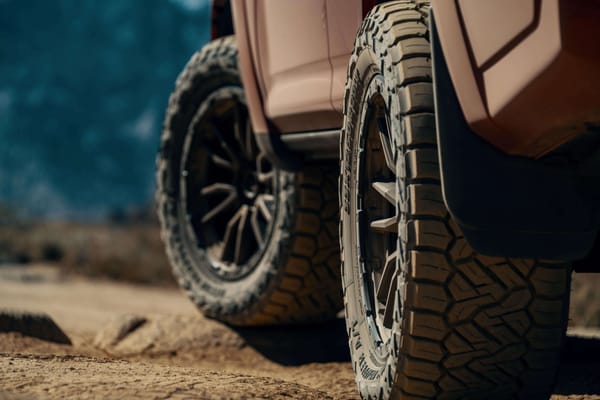
Tire Ply Count & Load Ratings: What They Mean—and Why They Matter

If you’ve spent any time around truck owners, RV customers, or anyone towing, you’ve probably heard terms like ply count, Load Range E, or 10-ply tires. These phrases get thrown around all the time, but many people—consumers and even some front-counter staff—don’t fully understand what they actually mean.
Today, we’ll break down the history, the purpose, how tire load ratings work today, and most importantly, how to communicate their value to your customers.
A Brief History of Ply Ratings
Before modern radial construction, tires were built using layers of cotton fabric reinforcements. More plies meant a stronger, more durable tire—so naturally, a 10-ply tire was tougher than an 8-ply tire, and so on.
But as technology evolved, tire materials changed. Steel belts, stronger textiles, and better construction methods created tires that were much stronger with fewer physical plies. Today, a “Load Range E (10-ply)” tire may only have 2 or 3 actual body plies, but they perform like the old 10-ply tires—hence why the terminology stuck around.
Ply rating today does NOT reflect the number of actual plies.
Instead, it’s a holdover term used to express strength and load-carrying capacity.
Load Ratings: The Modern System That Actually Matters
Today’s tires use a Load Range system, typically expressed as:
- Load Range C (6-ply rating)
- Load Range D (8-ply rating)
- Load Range E (10-ply rating)
- Load Range F, G, and up for commercial and heavy-duty applications
Each Load Range corresponds to:
- A maximum load capacity
- A recommended air pressure
- A sidewall strength level
- The intended use (half-ton vs. three-quarter-ton vs. 1-ton trucks, trailers, RVs, etc.)
In other words, Load Range is the modern language of tire strength.
Here’s the rule customers need to remember:
The higher the Load Range, the more weight the tire can safely carry—when inflated to its specified pressure.
This is why air pressure is absolutely critical in any load conversation.
Why Ply Count & Load Ratings Matter
1. Safety—Above Everything Else
Choosing a tire that can’t support the vehicle’s weight, towing load, or payload can lead to:
- Excessive heat
- Sidewall failure
- Blowouts
- Reduced braking capability
For customers hauling equipment, towing a travel trailer, or carrying tools every day, this is not a corner worth cutting.
2. Better Handling & Stability Under Load
Higher Load Range tires typically have stiffer sidewalls.
That means:
- Less sway when towing
- Better control in cross-winds
- More confidence at highway speeds
- Reduced trailer “wag”
This is one of the easiest ways to upsell—customers want stability.
3. Matching the Vehicle’s Intended Use
This is where sales conversations become important:
- Half-ton trucks often use P-metric or LT Load Range C/D tires.
- Three-quarter and one-ton trucks generally require Load Range E or higher.
- Trailers and RVs depend on ST tires, often Load Range D–G.
A tire under-spec’d for the job will fail early every time.
4. Tread Life, Durability, and Puncture Resistance
Higher Load Range tires also tend to offer:
- Thicker tread compounds
- Stronger sidewalls
- Better resistance to nails, rocks, and debris
- Longer life under heavy use
For contractors, landscapers, and fleets, this is money saved.
How to Explain Ply Count & Load Range to Customers
Here’s a simple way your sales team can communicate this clearly:
“Old tires used to have 10 layers, or plies. Today’s materials are much stronger, so modern tires don’t need as many layers. ‘10-ply’ is just a nickname for Load Range E, which tells you how much weight the tire can handle.”
You’re reframing the conversation without overwhelming them.
Quick sales tip:
Customers don’t buy ply count—they buy peace of mind, safety, and longevity.
Focus on what the higher load rating does for them.
Final Thoughts
Ply ratings may be part of tire history, but load ratings are the real deciding factor today. As vehicles, trailers, and towing capacities have increased, so has the need for properly rated tires. Helping customers understand these differences builds trust, reduces comebacks, and ensures they leave your shop with the right product for the job.
If your team can clearly communicate why the right load rating matters, it becomes one of the easiest—and most responsible—upsells in the tire business.