Tire Siping: What It Is, Why It Exists, and Whether It’s Worth Doing Today

If you’ve spent any time around tire shops, you’ve heard the term siping thrown around—usually followed by a debate about whether it actually helps or if it voids the warranty. Siping has been around for decades, and while it once played a bigger role in traction improvement, new tire technology has changed the conversation. Here’s a simple breakdown of what siping is, where it came from, and whether it still makes sense for your customers.
What Exactly Is Siping?
Siping is the process of adding thin, razor-like slits into a tire’s tread blocks. These tiny cuts create extra biting edges, flex more easily on the road, and evacuate water faster—especially on wet, icy, or packed-snow surfaces.
Most modern tires already come with computer-engineered siping built in, but some shops offer additional aftermarket siping using specialized machines.
The Origin Story: Why Siping Exists
The idea started in the 1920s with a man named John Sipe, a meat cutter who kept slipping on wet floors. He carved small slits into the soles of his shoes…and suddenly he had better traction. Tire engineers later applied the principle to rubber tread blocks, especially for winter and all-terrain tires.
For years, aftermarket siping was a go-to technique to improve wet and winter grip on older-generation tires. Back then, tire compounding, tread design, and siping technology were far less advanced than what we have today.
The Benefits (At Least on Paper)
1. Increased Traction
Extra slits mean extra biting edges. Customers who drive in rain, slush, or ice may notice improved braking and acceleration—especially on hard-packed winter roads.
2. Better Heat Dissipation
Sipes create more surface area and flexibility, which can help reduce heat buildup on long highway runs or heavy towing.
3. Smoother Ride
More flexible tread blocks absorb small road imperfections, which can soften the ride. Some all-terrain owners like siping for this reason.
But…Modern Tires Changed the Game
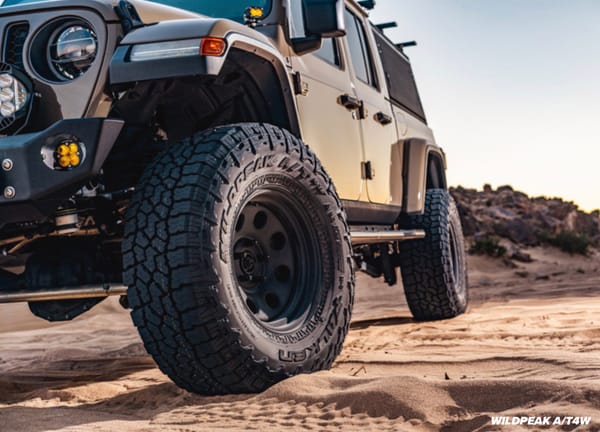
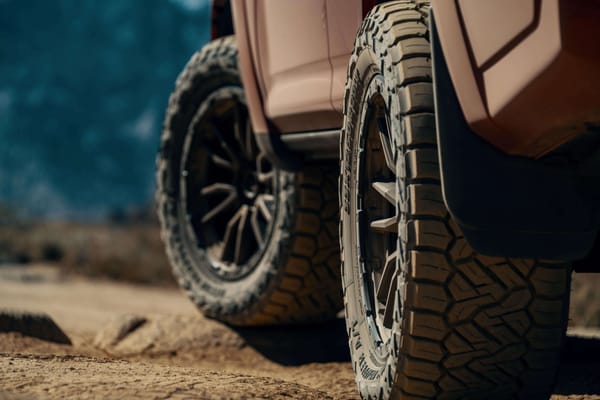
Here’s the reality: most premium tires today—especially all-weather, winter, and all-terrain—already include thousands of 3D-engineered sipes built into the design. These aren’t just slits. They have interlocking shapes, depth control, variable angles, and tie bars that maintain tread stability.
Old-school siping machines can’t replicate the engineering built into today’s tires.
In some cases, adding aftermarket sipes can actually reduce performance because:
- They weaken tread blocks
- They increase squirm under load
- They may accelerate irregular wear
- They can negatively affect braking on dry pavement
So the question becomes: is it helping, or is it undoing the work already done at the factory?
What About the Warranty?
This is where things get tricky—and where tire dealers need to be careful.
Manufacturer Warranties
Almost every major tire manufacturer clearly states that aftermarket modifications—including siping—can void the warranty on the tread or casing.
If a customer experiences:
- Irregular wear
- Tread chunking
- Noise issues
- Tread block tearing
…the manufacturer can deny coverage because the tire was altered after purchase.
Road Hazard & In-House Protection Plans
For shops offering their own road hazard or workmanship guarantees, siping may still be allowed—but only under that shop’s discretion.
It’s important that salespeople communicate:
“Once the tire is siped, the manufacturer may not cover wear or performance issues.”
Transparency avoids headaches.
So…Is Siping Worth It in 2025?
When siping might make sense:
- Budget all-terrain tires with minimal siping
- Older tread designs
- Commercial tires that need extra heat dissipation
- Fleets looking for a specific traction improvement and accepting wear trade-offs
When siping is not recommended:
- Any modern winter tire (they already have heavy 3D siping)
- All-weather tires (purpose-built for 3PMSF performance)
- Premium A/T and hybrid tires
- Performance tires
- Vehicles with high torque (EVs, turbo trucks)
- Customers concerned about warranty coverage
My recommendation for most consumers?
Skip it.
Today’s tire technology does the job better, safer, and with fewer compromises—without risking warranty issues. Instead of siping, focus on choosing the right category of tire (all-weather vs. winter vs. AT), keeping proper inflation, and maintaining rotations.
Conclusion
Siping is a fascinating part of tire history and, at one time, offered real benefits. But technology has evolved. Modern compounding, tread geometry, and engineered siping have made aftermarket cuts largely unnecessary—and sometimes counterproductive.
When customers ask about it, the best advice is simple:
Choose the right tire to begin with, and let the engineers do the siping.